
Many travelers search for a rio de janeiro favela map to understand how the city is shaped and where daily life happens on its hills and beaches.
✨ Continue exploring
Think of Rio as a curve of beaches backed by forested hills, with communities woven into the slopes.
The traveler will feel the sea breeze, hear music from corners, and notice how close different worlds sit.
Questions come fast: where to stay, what feels lively at night, when rideshare is wiser.
This guide keeps it respectful and useful. It avoids fear or romance. It gives context and options that fit each profile.
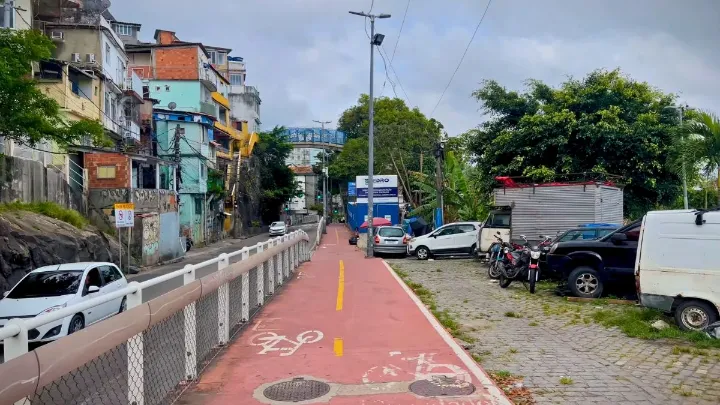
How Rio is laid out: hills, beaches and communities
🎁 Receba um roteiro personalizado para a sua viagem — grátis!
Quer descobrir as melhores praias, passeios, lugares para comer e onde ficar no seu destino? Preencha abaixo e receba um roteiro completinho montado especialmente pra você — enviado direto no seu e-mail.
Rio spreads across bays and mountains. The South Zone holds Ipanema, Leblon, Copacabana, and Botafogo.
Communities sit on the hills above these areas. Daily life mixes in the same districts, street by street.
Centro is the historic and business core. It is busy on weekdays and quieter at night and on Sundays.
Barra da Tijuca is farther, with long beaches and malls. It suits those who want space and drive or rideshare.
The traveler will notice a pattern: lively main avenues feel different from quiet backstreets after dark.
Using a rio de janeiro favela map with context and care
A map can show the proximity of communities to beaches and viewpoints. Boundaries are not walls.
Treat a rio de janeiro favela map as context, not a checklist of red and green zones.
Combine it with up-to-date local advice. Conditions can change by season and even by week.
Official data portals like Data.Rio help with urban context.
Some consulates publish caution maps; read them calmly and pair with local tips from your hotel or host.
Where to stay by vibe and budget
Ipanema and Leblon suit first-timers who want beach life, walkable dining, and metro access. Prices run higher.
Copacabana offers more hotel choice and often better rates. Leme, at the north end, feels calmer.
Botafogo balances value and views of Sugarloaf. Great for anyone wanting to relax after a long day.
Santa Teresa is artistic and scenic. It is steep and charming, but rideshare at night is wise.
Centro works for business days, less so on quiet nights. Barra fits those who prioritize space.
- For beach time: stay near Posto 8–10 in Ipanema or Posto 2–4 in Copacabana
- For value: Botafogo and Flamengo often win on price and access
- For families: Ipanema’s flatter streets and services are practical
Prices jump around New Year and Carnival. Book early or consider shoulder weeks for better value.
To plan days by interest, save things to do in Rio de Janeiro and key Rio de Janeiro attractions.
Safety patterns and street‑smart habits
Rio rewards those who move with intention. Busy streets and daylight are your friends.
Keep phones and jewelry discreet. Use a small crossbody and carry only what you need.
Pick ATMs inside banks or malls. For beach days, leave passports and extra cards at the hotel safe.
After dark, favor rideshare or taxi, especially when crossing quiet blocks or hills.
Searches for safe areas rio are common. Focus on micro-choices: time of day, street activity, and route.
A rio de janeiro favela map helps spot hills near your hotel, so you can choose main avenues at night.
Getting around: metro, taxis and timing
The metro is reliable for Copacabana, Ipanema, Botafogo, and parts of Centro. It runs frequently.
Check the official map on MetrôRio and plan linear routes.
Use rideshare or official yellow taxis at night or when carrying luggage. It’s worth it for peace of mind.
For Christ the Redeemer and Sugarloaf, use official transport links and ticketed entrances.
Details are in Christ the Redeemer Rio and broader Rio de Janeiro beaches guides.
Arrivals and transfers are smoother with a plan; bookmark Rio de Janeiro airport tips.
Have extra time? Consider Rio de Janeiro day trips for nature and history beyond the core.
Ethical visits to communities: if it fits the traveler
Communities are home. Any visit should be respectful, slow, and guided by locals.
If booking a favela guide, choose community-led operators, small groups, and routes set by residents.
Ask before photographing people. Buy water, snacks, or crafts locally to contribute.
Some places, like Vidigal’s viewpoints or Santa Marta’s music corners, host cultural projects.
Enter only with local guidance. A rio de janeiro favela map cannot replace that human context.
Terms like rio slums appear in searches. The traveler will find that “favelas” or “communities” are the respectful words.
For city events and culture, the official calendar on Visit Rio helps time plans.
Conclusion
With calm planning, the traveler can move through Rio with confidence and curiosity.
A rio de janeiro favela map adds context to choices, from where to stay to how to get around at night.
Pair that context with local advice, simple habits, and ethical decisions.
Save this guide and compare areas and routes. Then pick the corners that win you over, at your rhythm.
Frequently Asked Questions
How should travelers use a rio de janeiro favela map?
Use it for context about hills near beaches and routes. Do not treat it as a pass to enter unfamiliar areas without local guidance.
Which neighborhoods are best for first-timers?
Ipanema and Leblon feel practical for beach time, dining, and metro access. Copacabana offers more hotel options and value.
Are there clear “safe areas” in Rio?
Safety varies by street and time. Busy avenues and daylight generally feel better. At night, rideshare is often the smarter link.
Is it okay to visit a favela with a tour?
Yes, when locally led, small, and respectful. Ask before photos and support local businesses. Avoid intrusive behavior.
What is a good favela guide approach?
Choose community operators, clear routes, and capped group sizes. Prioritize learning over spectacle and move at a resident’s pace.
Why do people search “rio slums”?
It’s a search term, not a respectful label. “Favelas” or “communities” center people and daily life, which matters.
Beach basics: what to bring and how to relax?
Bring sunscreen, small cash, and a simple bag. Rent chairs and umbrellas. Leave passports and extra cards at the hotel.
Metro or taxi at night?
Metro works well by day for linear trips. At night, or with luggage, rideshare or taxi often feels calmer.
Any ATM tips for visitors?
Use ATMs inside banks or malls during the day. Cover the keypad and keep withdrawals modest.
Does Carnival change daily dynamics?
Yes. Streets get crowded, prices rise, and routes shift. Book early and allow extra time to move between areas.
Fontes consultadas
 – Maps of U.S. Citizen Caution Areasbr.usembassy.gov
- – Rio de Janeiro Neighborhood Map – Hoodmapshoodmaps.com
- – Mapping Rio de Janeiro Favelas-Copyarcgis.com
- – Favela – Wikipediaen.wikipedia.org

Sobre o autor
Sou Isaac, criador do BR24. Aqui compartilho dicas reais pra você viajar melhor pelo Brasil.