Rio de Janeiro Weather: Month-by-Month Climate Guide
He looks up rio de janeiro weather and pictures mornings on the sand, golden light on the hills, and those fast summer showers that wash the streets and move on. This guide keeps it real: heat, humidity, breezes, UV, water temps, and how it all feels day to day.
✨ Continue exploring
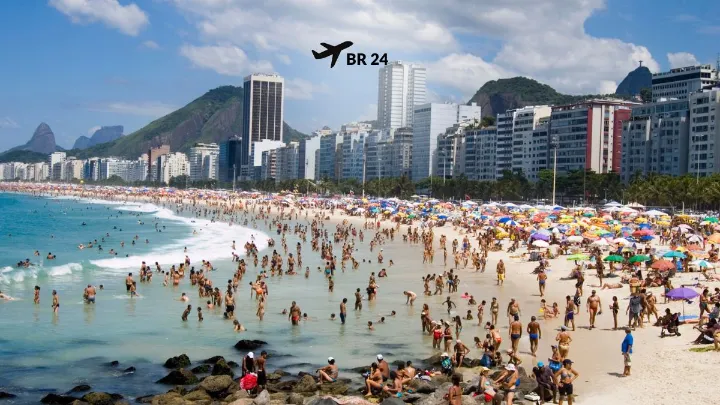
Rio is a city with a beach soul. Mornings tend to be calmer; the sea is friendlier earlier, and the breeze picks up after lunch, especially in Ipanema.
The trade-offs are simple. Summer brings warmer water and more showers. Winter is milder, drier, with cooler nights and earlier sunsets. Autumn and spring are the sweet spots.
He wants clear answers to choose dates, pack smart, and plan activities without overthinking. Let’s make it easy. Scroll for seasons, then month-by-month notes.
🎥 Vídeo por @YouTube
Rio de Janeiro weather: seasons at a glance
Rio has a humid subtropical climate with two big moods: hot-and-humid summer and mild winter.
Summer (Dec–Mar): 26–33°C days (79–91°F), sticky afternoons, quick storms, warm sea. UV is extreme.
Autumn (Apr–May): 22–29°C (72–84°F), more stable, fewer storms. Great beach-and-city balance.
Winter (Jun–Aug): 18–26°C (64–79°F), drier air, cooler nights, earlier sunsets. Swell days bring stronger surf.
Spring (Sep–Nov): 22–31°C (72–88°F), windier in Sep, hotter and stormier by Nov. Water starts warming.
Summer: January to March
Expect 26–33°C by day and 24–26°C at night (79–91°F, nights 75–79°F). After that, we’ll stick to °C.
Feels like: hot, humid, often sticky after noon. UV index 10–12 on clear days.
Rain: frequent afternoon showers and isolated thunderstorms, usually short. Streets can flood briefly.
Sea: 25–27°C; mornings are calmer. Red flags mean rip currents are active.
- Good for: Beach time, early hikes, long swims, lazy lunches in the shade.
- Watch for: Heat stress, sunburn, traffic during storms.
- Pack: Breathable fabrics, hat, reef-safe sunscreen, light rain jacket.
Autumn: April to May
Typical 22–29°C by day and 20–23°C at night (72–84°F, nights 68–73°F).
Feels like: warm without the heavy humidity. Air is easier to breathe.
Rain: fewer showers; fronts still pass, but with less intensity.
Sea: 24–25°C. Pleasant for swimming; mornings stay glassy more often.
- Good for: Balanced trips—beach, attractions, and light hiking.
- Watch for: Isolated rainy days; bring a light layer for breezy nights.
- Pack: T-shirts, linen shirt, shorts, thin cardigan, sunscreen.
Winter: June to August
Expect 18–26°C by day and 16–20°C at night (64–79°F, nights 61–68°F). Cold snaps can dip to 14–15°C at night.
Feels like: mild, drier, with a pleasant breeze. August is the breeziest.
Rain: lower overall; cold fronts bring wind and quick changes.
Sea: 21–23°C; refreshing. Surf is stronger on south-facing beaches.
- Good for: City culture, viewpoints after fronts, crowd-free beaches midday.
- Watch for: Early sunsets, cooler nights in hills like Santa Teresa.
- Pack: Light jacket, pants, closed shoes for nights, sunscreen.
Spring: September to November
Ranges from 22–31°C by day and 19–23°C at night (72–88°F, nights 66–73°F).
Feels like: warming up, windier in September, then more humid by November.
Rain: low in Sep–Oct; first summer-style storms in late Oct/Nov.
Sea: 23–25°C by November. Nice transition back to longer beach days.
- Good for: Active trips and photos with crisp light, especially mornings.
- Watch for: Wind-chop in Sep; sun gets strong again.
- Pack: Light layers, hat, sunglasses, compact umbrella in Nov.
Month-by-month notes
If he wants rio weather by month, here’s the feel of each month in quick notes.
- January: 27–33°C, humid, frequent PM showers. Sea 26–27°C. Great for slowing down. Pack a rain shell.
- February: 27–33°C, sticky afternoons, Carnival energy. Sea 26–27°C. Book early and hydrate.
- March: 26–32°C, storms easing late month. Sea ~26°C. Mornings shine; afternoons can boom.
- April: 24–30°C, fewer showers. Sea ~25°C. Balanced days; ideal for anyone wanting to relax.
- May: 22–28°C, calm, cheaper rooms midweek. Sea ~24°C. Evenings may need a thin layer.
- June: 20–26°C, drier, crisp mornings. Sea ~22°C. Trails safe in dry spells; check after rain.
- July: 19–25°C, mild, occasional cool fronts. Sea 21–22°C. Great museum days if windy.
- August: 19–26°C, breezy, bright. Sea ~22°C. Good visibility for Christ the Redeemer after a front.
- September: 20–27°C, wind-forward, low rain. Sea 22–23°C. Beach flags often yellow—mind the currents.
- October: 22–29°C, warmer, sporadic storms late day. Sea ~24°C. Pack a small umbrella.
- November: 23–31°C, humid uptick, first summer storms. Sea 24–25°C. Shade becomes gold.
- December: 25–32°C, hot, festive, afternoon storms. Sea ~25°C. New Year crowds; book early.
Crowds, prices and events
New Year’s Eve on Copacabana (Dec 31) is peak everything—rates can double or triple.
Carnival (Feb/Mar) brings heat, parties, and limited availability. Plan months ahead.
Rock in Rio runs some years in September; weekends fill up near the venue in Barra.
Brazilian long weekends (Apr, Sep, Nov) lift prices and crowd levels. Midweek is calmer.
- Budget tips: May and August have the best hotel value.
- Calmer stays: Post-Carnival to May has an easygoing feel.
- Plan: For clearer views, go early morning and check recent weather.
For season basics tied to rio de janeiro weather, check official notices during heavy rain and give yourself buffer time for flights.
What to pack and simple plans for rainy hours
Year-round: reef-safe sunscreen, hat, sunglasses, water bottle, light layers, comfy sandals, and a compact umbrella in summer/spring.
Summer extras: breathable shirts, linen shorts, anti-chafe balm, light rain jacket, small dry bag for the beach.
Winter extras: thin sweater, light jacket, pants for nights, closed shoes for viewpoints.
- Rainy-hour ideas: Museums, cafés, samba bars, and viewpoints when clouds lift.
- Morning vs afternoon: Sea is calmer early; storms (if any) prefer late day.
- Safety: UV is strong—reapply. After rain, Tijuca trails get slippery. Respect red flags at the beach.
To fine-tune daily plans, watch local radar and lifeguard flags, and keep one covered activity on standby.
Best months by travel style
Beach-first: Dec–Mar for warm water; Apr–May for steadier days with fewer showers.
Hiking: Apr–Jun mornings are ideal; start early for shade and calmer air.
City culture: Jun–Aug, with cooler afternoons and lower crowds.
Family: May and early June balance comfort, prices, and calm seas in the morning.
- Nightlife buzz: Summer weekends; check nightlife tips if storms roll in.
- Day trips: Clear winter-spring days help for day trips with views.
For summer flights and timing to/from the airport, storms can slow traffic—allow extra time.
Sea, wind and microclimates
Zona Sul beaches open to south swells. Ipanema and Leblon feel rougher on red-flag days.
Barra can be windier in the afternoon; mornings are friendlier for a dip.
Hill neighborhoods like Santa Teresa and Alto da Boa Vista cool faster at night.
- Wind: Light mornings, sea breeze afternoons. August is breezier overall.
- UV: Even on hazy days, it bites. Reapply every 2 hours.
- Rip currents: Follow lifeguard flags; avoid rocky ends on strong swell days.
See seasonal norms at Visit Rio’s weather page and keep daily checks for quick changes.
Quick day planning
He sets beach and trails for the morning, museums or cafés in late afternoon, and viewpoints when the sky clears.
On stormy days, swap to indoor plans, then catch sunset light after the clouds break.
To match the vibe of the place, keep flexibility. It’s worth it.
For peak events like New Year’s, check New Year tips and for parade season see Carnival basics.
As a mid-text reminder: rio de janeiro weather leans hot-humid in summer and mild-drier in winter, with mornings usually kinder for the sea.
Conclusion
He now sees the rhythm: warm water and quick showers in summer, steadier days in autumn, mild and drier winters, and spring waking up with breeze and light.
Pick beaches and swims for mornings, keep a rain plan for late day in summer, and carry sunscreen year-round.
For value, May and August shine. For buzz, New Year’s and Carnival rule—at a price.
Save this guide, check daily updates, and let rio de janeiro weather work with you, not against you. That calm, easygoing trip is within reach.
Frequently Asked Questions
What is the average temperature in Rio month by month?
Roughly 27–33°C Jan–Mar, 22–29°C Apr–May, 18–26°C Jun–Aug, and 22–31°C Sep–Nov. Nights run 16–26°C.
When is the rainiest time of year?
December to March. Showers often hit late afternoon and pass quickly, but storms can be intense.
Is winter good for the beach?
Yes, mid‑day is pleasant. Water is cooler (21–23°C) and surf can be stronger on south-facing beaches.
How strong is the sun in Rio?
Very strong. UV is high to extreme most of the year. Reapply sunscreen every 2 hours.
When is water warmest for swimming?
January to March, around 25–27°C in the city beaches.
What should I wear in July?
Light layers: T‑shirts by day, thin sweater or jacket at night, pants and closed shoes for comfort.
Are mornings really calmer at the beach?
Most days, yes. Sea breeze and short‑period wind chop pick up after lunch.
What months have the fewest crowds and better prices?
May and August, plus midweeks outside holidays. Winter is calmer overall.
Any safety tips tied to rio de janeiro weather?
Watch rip-current flags, hydrate in heat, skip slippery trails after rain, and add buffer time in storms.
Where can I check official climate data?
See Visit Rio’s weather page and Wikipedia’s climate section for context.
Fontes consultadas
- – Rio de Janeiro Weather Radar – AccuWeatheraccuweather.com
- – Rio de Janeiro, Brazil 10-Day Weather Forecastwunderground.com
- – Rio de Janeiro – BBC Weatherbbc.com

Posts Similares
Maragogi praias: descubra as faixas de areia mais lindas do
Quando alguém busca por “maragogi praias”, está atrás de águas azul‑turquesa, areia branquinha e aquele clima de Caribe brasileiro. Este guia reúne, de forma prática e humana, as melhores praias, como chegar, quando ir e como planejar seu tempo à beira‑mar com segurança e economia. Assuntos Relacionados maragogi o que fazer em maragogi praias com…
Piscinas Naturais de São Miguel dos Milagres: horários, marés e como visitar
Descubra as piscinas naturais de São Miguel dos Milagres e veja peixinhos de pertinho! Saiba os horários e marés ideais pra curtir sem pressa.
Praia do Cedro em Ubatuba: um paraíso escondido com trilha e mergulho
Descubra a Praia do Cedro em Ubatuba: trilha leve, mar calminho pra snorkel e aquela vibe sossegada. Ideal pra quem quer curtir sem pressa!
O que fazer em São Miguel dos Milagres: 17 experiências inesquecíveis no paraíso alagoano
Descubra o que fazer em São Miguel dos Milagres com 17 experiências únicas. Aproveite praias, passeios e a vibe tranquila desse refúgio alagoano.
Praia de Copacabana no Rio: O Que Fazer, Hotéis e Dicas
A praia de Copacabana é um dos cartões-postais mais famosos do Brasil e do mundo. Localizada na Zona Sul do Rio de Janeiro, atrai turistas durante todo o ano com seu calçadão icônico, areias claras e um mar que convida ao lazer e ao descanso. Conteúdos relacionados Guia de praias do Rio de Janeiro Ipanema:…
Maceió ou São Miguel dos Milagres? Qual destino combina mais com você
Descubra se Maceió ou São Miguel dos Milagres é a escolha ideal pra sua viagem! Compare vibes, custo-benefício e explore o melhor de Alagoas sem pressa.